Truth and Reconciliation – Moving Forward
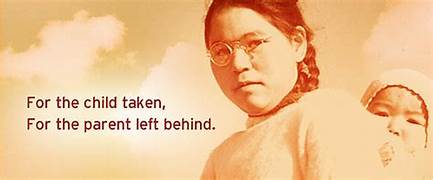
The Truth and Reconciliation Commission (TRC) was created in 2008 to investigate the history and impacts of the Indian Residential Schools system. It provided 94 recommendations to address the legacy of residential schools. The philosophy behind the TRC approach is that the truth about the crime of residential schools needs to be acknowledged first before attempting to address how to move forward. The goal of the TRC is to ensure healing, justice, and a future of mutual respect.
According to a Government of Canada website:
“The TRC spent 6 years travelling to all parts of Canada and heard from more than 6,500 witnesses. The TRC also hosted 7 national events across Canada to engage the Canadian public, educate people about the history and legacy of the residential schools system, and share and honour the experiences of former students and their families.”
In addition:
“The TRC created a historical record of the residential schools system. As part of this process, the Government of Canada provided over 5 million records to the TRC. The National Centre for Truth and Reconciliation at the University of Manitoba now houses all of the documents collected by the TRC.”
The 94 Recommendations from the TRC
The 94 recommendations were broken down into 2 groups: Legacy and Reconciliation, with each group having multiple sub-groups as follows:
Legacy
– Child Welfare
– Education
– Language and Culture
– Health
– Justice
Reconciliation
– Canadian Government and the United Nations Declaration On The Rights of Indigenous Peoples
– Royal Proclamation and Covenant Of Reconciliation
– Settlement Agreement Parties and the United Nations Declaration On The Rights of Indigenous Peoples
– Equity and Aboriginal People in the Legal System
– National Council for Reconciliation
– Professional Development and Training for Public Servants
– Church Apologies and Reconciliation
– Education for Reconciliation
– Youth Programs
– Museums and Archives
– Missing Children and Burial Information
– National Centre for Truth and Reconciliation
– Commemoration
– Media and Reconciliation
– Sports and Reconciliation
– Business and Reconciliation
– Newcomers to Canada
The 94 recommendations and progress achieved can be determined by visiting the Government of Canada’s webpage entitled: Delivering on Truth and Reconciliation Commission Calls to Action.
You are encouraged to visit this website to find more details on each of the recommendations and actions that have been taken thus far.
What has been Accomplished
According to the group Indigenous Watchdog, “The federal government is accountable for 76 of the 94 Calls to Action – either alone or in partnership with the provinces and territories. As of January 1, 2024, according to Indigenous Watchdog, 11 of those Calls to Action are COMPLETE and 39 are IN PROGRESS.”
What About Students
Students are taking action in achieving these 94 recommendations by learning about Indigenous history, adopting Indigenous knowledge into their education, and participating in reconciliation initiatives like the Orange Shirt Day and National Day for Truth and Reconciliation (September 30th of every year). Concrete examples of these actions include having students write poems or short stories about residential schools, read books on truth and reconciliation, and create artwork on what reconciliation means to them.
According to the Indigenous Education charity Indspire, “The truth and reconciliation process is about becoming and raising informed and compassionate citizens. By teaching our children the significance of National Day for Truth and Reconciliation, we are helping to build a future rooted in understanding, respect, and equity.”
What Can You Do
As students and young people, each of you must play an important role in achieving reconciliation for the mistakes of the past. It is important to learn the history of residential schools and to then act on the knowledge you have gained in whatever way you feel is most appropriate. For some, it might mean making presentations to younger students in your school to tell them in an age-appropriate way why residential schools were setup and how to address the painful legacy of the system. For others, it could be promoting indigenous cultures and ideas in school settings through learning and research. Some students might want to commemorate the annual National Day for Truth and Reconciliation in a special way at your school, while others might want to share interesting facts about residential schools at morning announcements on a weekly basis. Each of you should take up actions that make the most sense for you, given your feelings about the importance of truth and reconciliation in Canada.
